

Hey y’all! I’m back again with the third post in my Buying or Building a House in This Crazy Market series! This one is all about why we chose to build for our first home, why we went with a tract home builder, and what to consider that people don’t always talk about when choosing what type of builder works best for you. As always, you can find links to all the posts in the series at the link above as it evolves.
We didn’t always set out to build. In fact, we didn’t even consider it until months of being outbid for houses that were decent but not exactly what we wanted.
We didn’t think exactly what we wanted existed, especially in our price range.
And there were definitely tradeoffs in the end, because nothing will ever be perfect. Unless you’ve got that Taylor Swift money and can make it happen, haha.
So we actually started with this house under contract:
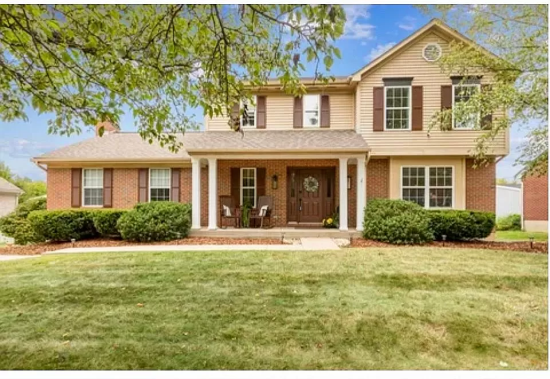
She’s cute, right? About 2000 sq ft finished, 3 bed 2.5 bath, good neighborhood. Needed a lot of cosmetic updates, a couple major repairs that we spotted at the showing and planned for both in terms of work and finances. It didn’t have everything we needed, though – the bigger yard in the good neighborhood meant I didn’t have an office from the get go, and we would have to lose a room downstairs or finish part of the basement to make it.
Fast forward to inspection, and the inspector asks to meet me outside before going in. It’s BAD news, only two days later, and it appears* to be intentionally hidden by the sellers (*I don’t have confirmation; don’t sue me). I don’t want to post on the internet about the details because people are sleuths and can easily find this house, but also because it hasn’t been relisted so there’s a good chance that the owners are taking steps to remedy the problems and it’s not fair to slander them when they may very well be fixing everything before relisting because it was not a small amount of work. Let’s just say we went back asking for it to be fixed before/at closing, the work bids all came in $45-55k, and the sellers thought that was too much so we mutually dissolved the contract.
This was just one of many, many, many things that came up as we kept trying to bid on existing homes.
Finally, in October we saw builder incentives that lowered our interest rates significantly, which increased our purchasing power so we went in for a consultation, thinking it was a pie-in-the-sky pipe dream. And of course, the plan we wanted info on was more than we thought we could afford because we weren’t really seriously considering this. Ha! That house had a base price of $419k, only $30k more than the house above, but had slightly lower mortgage payments because of the point buydown. We could not only get our dream house, but even afford a few upgrades along the way.
As I mentioned, there were definitely trade-offs:
– A much smaller lot; however, we have always had large yards and never really used them, so we were okay with this
– Slightly out of the school areas we wanted (but hubby is a teacher in-district so we were able to change it for our kids). However this also put us 5 minutes from my parents’ house, which actually makes it better!
– Living in a larger subdivision at the very end of the construction phase, so we’d have to get used to all that traffic (bonus, though – walkability – where we currently live you will die if you try to walk the roads, and the new place has sidewalks everywhere).
– Losing a lot of that charm that you get in older houses
– It was going to take at LEAST 6 months to build, which meant 6 more months of not enough space, living out of boxes, and hubby & older son having a long commute to school every day.
Choosing a Builder Type
There are basically three types of homebuilders out there:
- Tract builders, who build certain plans in planned communities with very limited (pre-selected) customization but do it on a budget so your costs don’t skyrocket. They generally go from moderate to pretty high pricing and take between 6-10 months to build from signing the contract. In my area, it’s mostly Fischer, Drees, Maronda, and a few others.
- There aren’t nearly as many customization options or choices as they lead you to believe, from the floor plans to the paint colors, and even then they will nickel and dime you to death. However, everything is set before they start so your price can’t balloon after breaking ground; they literally will not let you change a thing after selections. I tried!
- The quality of your home build all hinges on having a great construction manager/general contractor (which we thankfully have!) and the quality of sub-contractors that work on your specific home. We’ve definitely had some subs that have caused problems, but thankfully our GCs have been amazing about correcting every single thing and keeping a close eye on our home.
- However, a benefit of using tract builders is that the financing is SO much easier because you purchase everything at the end, so there’s no complicated construction-to-close loan, because the builder already owns everything and has already prepared all the sites.
- Semi-custom builders, who do allow some custom changes to their selection of floorplans and finishes (limited somewhat by availability) before you start but will charge you for all of those options. They generally have starting prices that are significantly higher than other builders, and don’t include land purchases or site preparations. An example is Schumacher Homes, who includes a lot of better quality finishes and options as standard and can be affordable in smaller homes, but looking at what we are getting would be about $500k+ without land or land prep.
- If we had the time and more of a down payment/ability to purchase land up front, this is probably what I would do now and just get a smaller house that is more customized to exactly what I want without DIY.
- There are several very small, family owned semi-custom builders in my area that aren’t as high priced as someone like Schumacher, so for our price range we could’ve gotten a decent amount of home for our money if we had gone this route. We’ve heard from many friends that have said the quality on these homes is great.
- I’ve heard from many people who built with a larger semi-custom builder and they still have the same issues with GC and sub-contractors, so better finishes/included engineering tech does not necessarily mean better quality, depending on the crews.
- Timelines on these semi-custom homes can often be extended up to a year after the land purchase, since the sites have to be prepared and plans have to go through customization by architects/more stringent approval from local building code approvers.
- Custom builders, who allow everything to be customized, any floor plan to be used, and will allow you to change things as you go through the process. Be prepared to pay for this with significantly higher costs (at least double) and build times that last up to two-three years.
- This was never, ever going to happen for us 😂 unless we won the lottery.
Why We Ultimately Chose Fischer Homes
To be quite frank, we chose Fischer because of the location of the planned community in relation to hubby’s school and my parents’ house, finding a plan that was awesome in our price range and didn’t require land purchase/prep, and builder incentives. We intend for this to be our forever home, but if we ever build again, we will likely downsize from our giant house so we will definitely see if we can do a semi-custom build with a local family-owned builder – and go a little bit outside of suburbia.
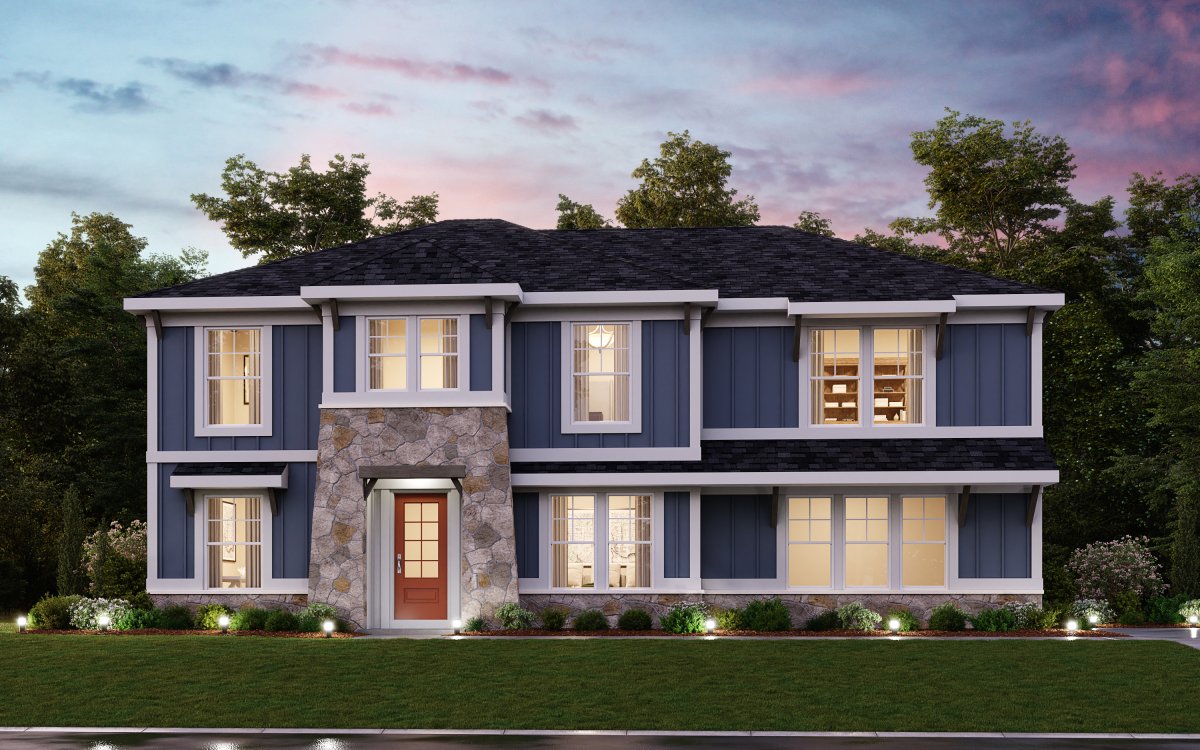
Our beautiful Foster Hillstone Craftsman is huge, well laid out for our family and needs, and will accommodate older kids and even aging parents if need be. If you’re looking at houses that are in this size range, the price difference for a “Designer Collection” home like this from a normal, “Maple Street Collection” home is minimal and there are a lot of perks, like extra transom windows for more light, upgraded exterior and interior door types, and a 9 foot first floor plate height (definitely my favorite feature – I wish it were also on the second floor!) among other things.
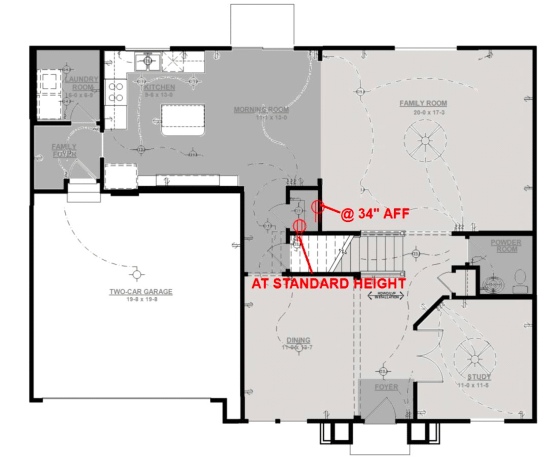
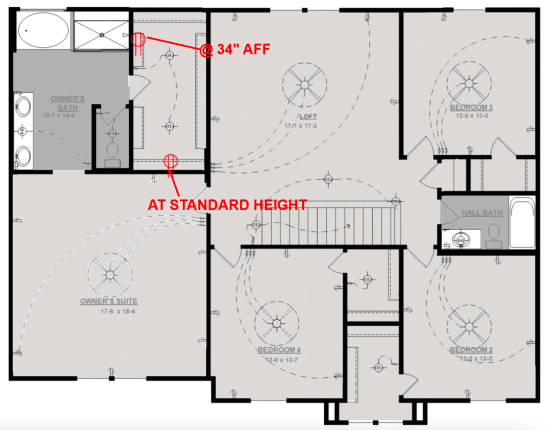
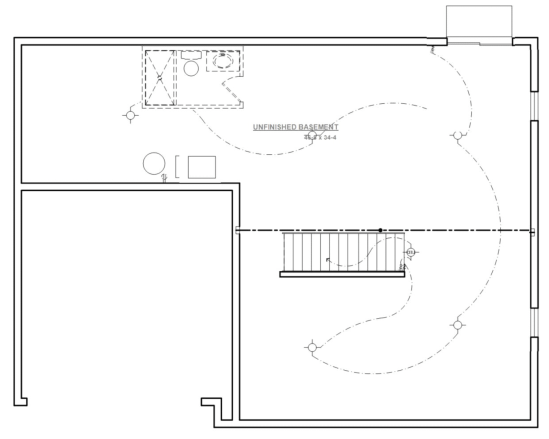
Here’s our floorplan with the upgraded features we chose. It’s almost 3000 sq ft finished, with 4 beds, 2.5 baths, study, unfinished basement with a full bath rough-in on a quarter acre that mostly overlooks trees which will never be developed. It’s just a few house from the final cul-de-sac in the newest section of the development.
In the next post, I’ll describe the design center experience, show you the upgrades and options we chose (as well as which ones we skipped and why), and talk about pricing, what disappointed us, and questions you should definitely consider asking.

*Disclaimer: While I was a licensed real estate professional long ago, all content is my opinion only and should not be taken as professional, financial, or legal advice of any kind.




Leave a Reply